The resource is not designed as a linear course. There is no beginning and no end. You can start anywhere and follow the connections that interest you. Each piece of content is written to stand alone while also pointing outward to related material.
Folklore & Legend
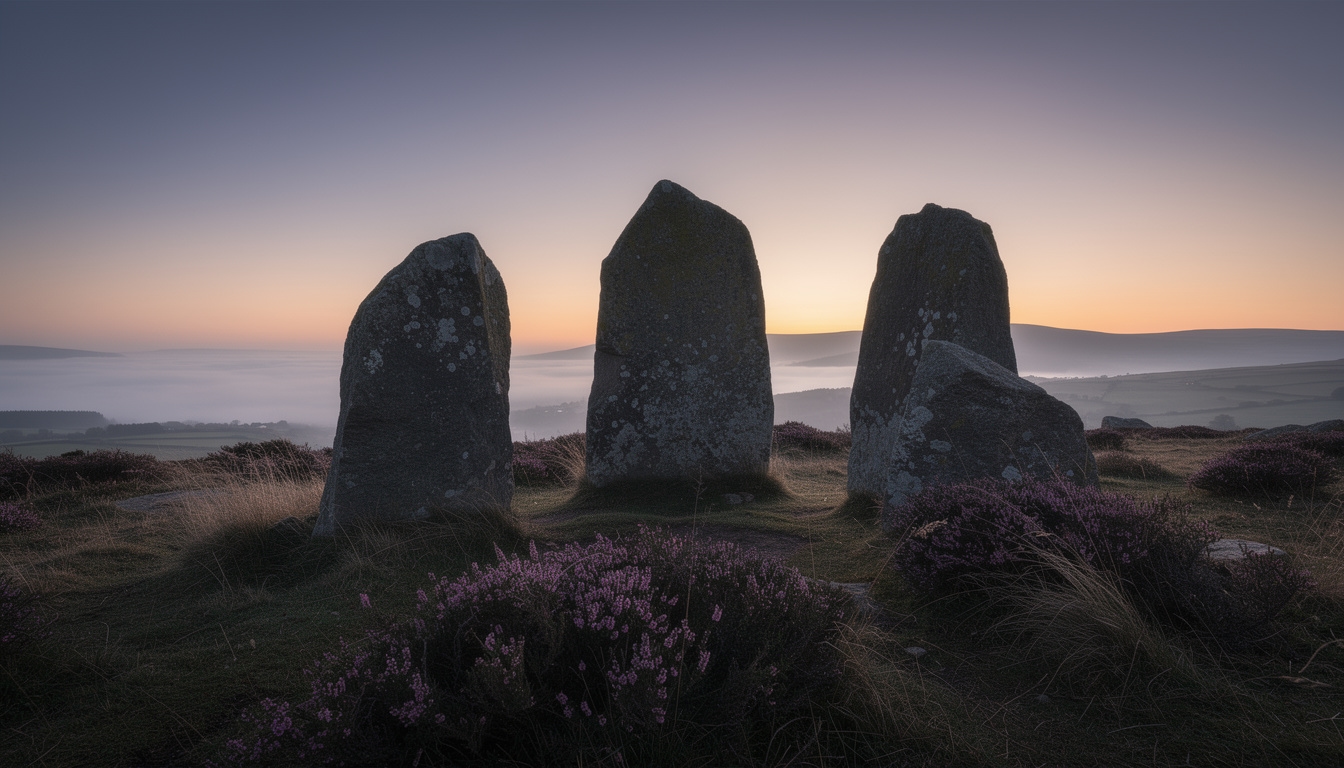
Welsh mythology is among the oldest in Europe. The Four Branches of the Mabinogi, written down in the twelfth and thirteenth centuries but drawing on much older oral traditions, describe a world where the boundaries between the human and the supernatural are genuinely porous. Giants, shape-shifters, otherworldly kingdoms beneath the waves.
This section of the resource treats folklore neither as entertainment nor as literal history, but as a form of cultural memory. The stories encode information about landscape, social order, seasonal change and human psychology. Understanding them is a way of understanding how Welsh communities have made sense of their world.
Traditional Crafts
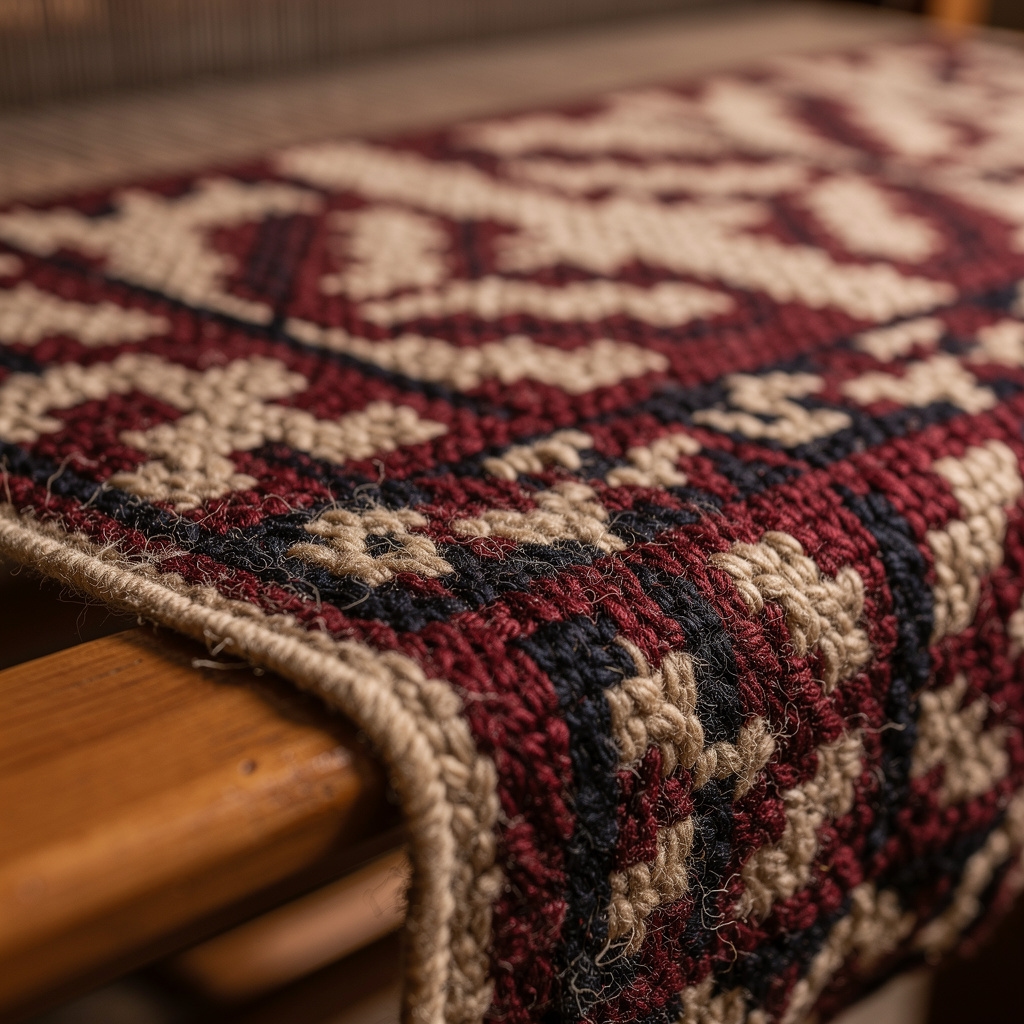
The craft traditions of Wales are inseparable from its industrial and agricultural history. The woollen mills of mid-Wales, many of which still operate today, produced distinctive geometric patterns that became markers of regional identity. The lovespoon, carved from a single piece of wood as a gift of courtship, developed its own symbolic vocabulary over several centuries.
Slate carving, coopering, blacksmithing and the making of musical instruments like the crwth and pibgorn are also covered. The emphasis throughout is on understanding craft as a form of cultural expression rather than simply a technical skill.
Local Gastronomy
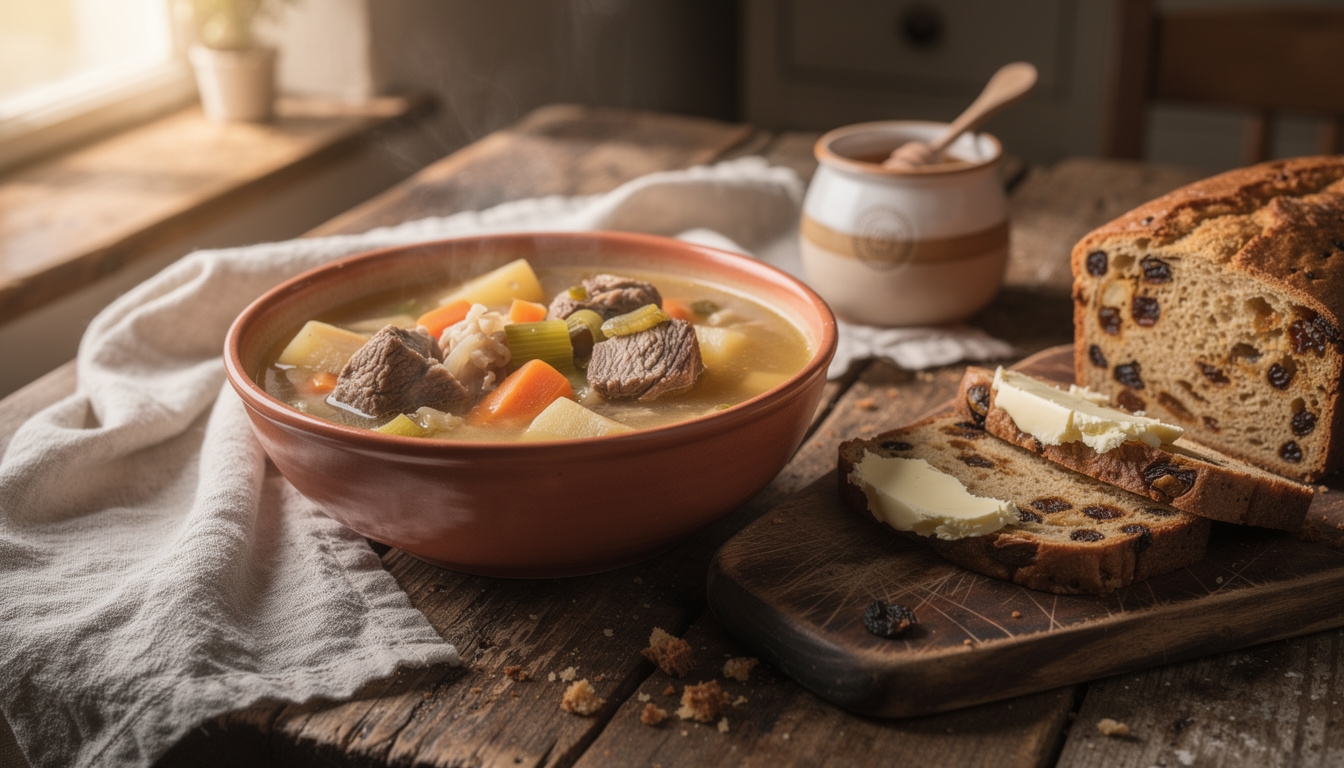
Welsh food culture is more varied and more interesting than its reputation sometimes suggests. Cawl, the slow-cooked broth of lamb and root vegetables, varies significantly by region and season. Laverbread, made from seaweed gathered on the south Wales coast, is one of the more unusual foods in the British Isles and has been eaten in Wales for centuries.
Bara brith, Welsh cakes, the cheeses of Caerphilly and beyond, the lamb and beef of the upland farms: this section explores food as a lens through which to understand Welsh geography, seasonality and social history. We also look at how food traditions have changed and what has been lost and recovered.
Walking Routes
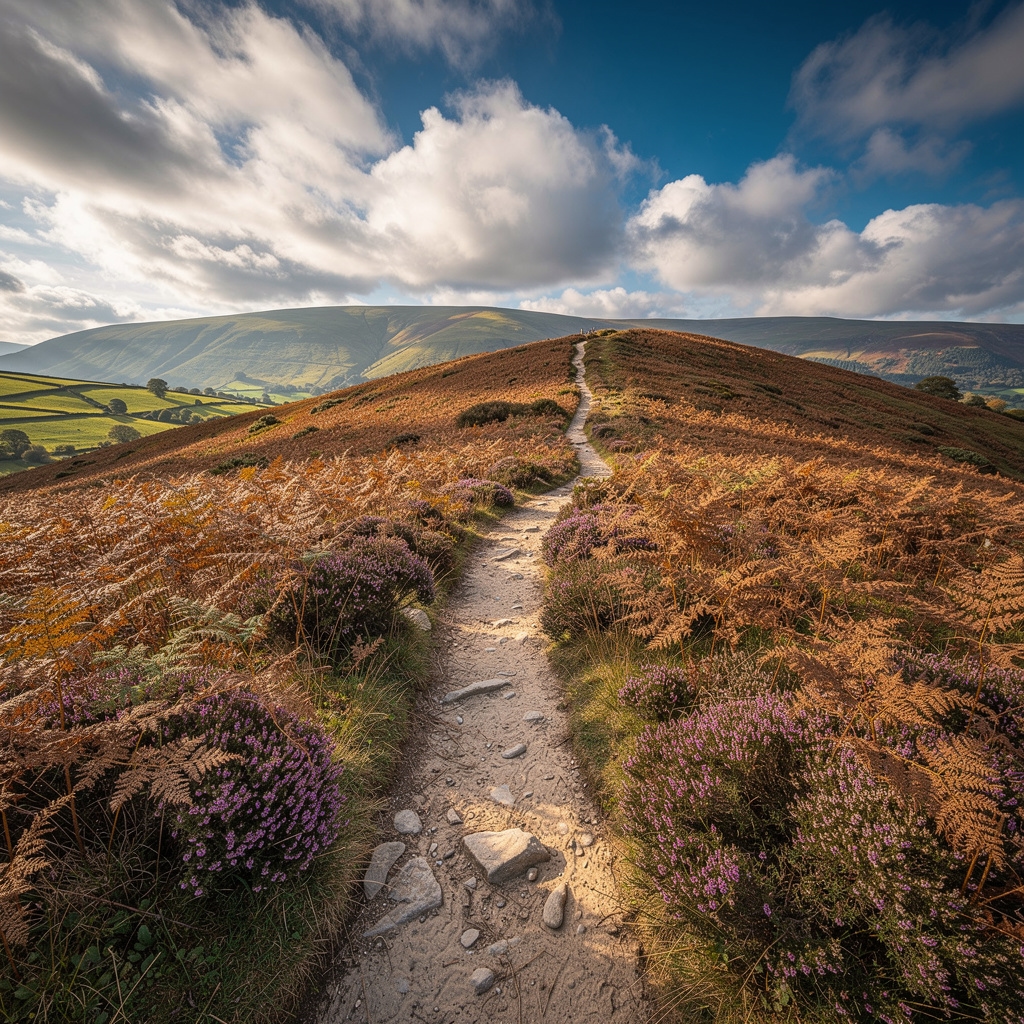
The walking content is perhaps the most distinctive part of this resource. Rather than simply providing route directions, each walk is accompanied by extended editorial writing about the landscape, history and ecology of the area being traversed. You understand what you are looking at, not just where to put your feet.
Routes are concentrated in the Ceiriog Valley and the Berwyn Mountains, with additional coverage of the Dee Valley, the Clwydian Range and selected routes further afield in Wales. Difficulty levels vary. Some routes are gentle valley walks accessible to most people. Others cross open moorland and require appropriate preparation.